Located beside the peaceful Sat River in Cao Cat Hamlet, Binh My Commune, Ninh Binh Province, the President Ho Chi Minh Historical Site – The Place Where He Spoke to Ha Nam Officials and People During the Drought Relief Campaign is one of the most important historical landmarks of the former Ha Nam region. It not only marks a meaningful event in the life and revolutionary activities of President Ho Chi Minh but also serves as a destination rich in cultural and educational value, offering visitors a meaningful stop while exploring the unique countryside of Ninh Binh Province.
From the center of Phu Ly Ward, visitors only need to travel about 15 kilometers along National Highway 21B to reach the site. Thanks to its convenient location, it can easily be combined with visits to many well-known cultural and historical attractions in the area, such as Tran Thuong Temple, Long Doi Son Pagoda, the Nam Cao Memorial House, and the Tam Nguyen Yen Do Nguyen Khuyen Memorial Site. Together, these destinations create an interesting journey that helps visitors better understand the history, culture, and people of the Red River Delta.
The historical site commemorates the event that took place on January 14, 1958, when President Ho Chi Minh visited and personally encouraged officials, workers, and the people of Ha Nam who were building the Cat Tuong Dam to fight drought and save the rice crops. At that time, the 1958 Winter–Spring crop was facing severe drought, which seriously threatened agricultural production. Thousands of officials, workers, and farmers worked day and night at the construction site with the determination to bring water to the fields.
During this busy period of construction, the arrival of President Ho Chi Minh became a great source of encouragement for all officials and local people. He warmly greeted everyone, praised their determination to overcome difficulties, and encouraged them to stay united and complete the project as quickly as possible so that water could reach the rice fields in time. Following his guidance, the Cat Tuong Dam was completed ahead of schedule, supplying water to thousands of acres of farmland, helping protect the harvest and bringing confidence and motivation to the local people in their agricultural work.
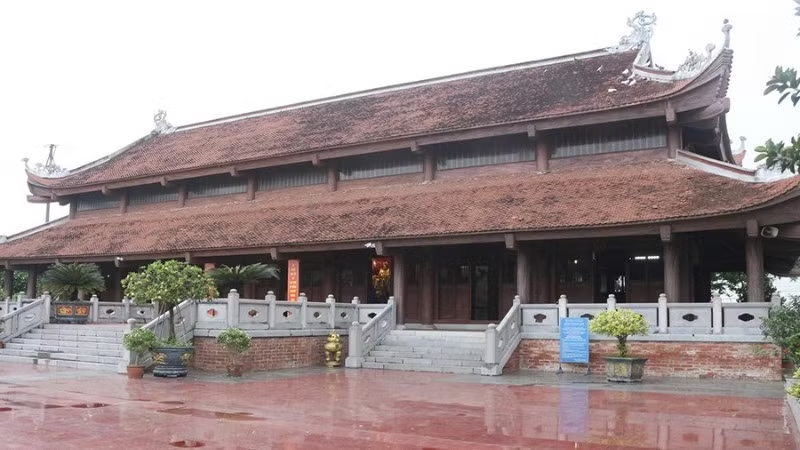
Today, covering an area of about one hectare, the historical site has been carefully planned with a harmonious combination of memorial spaces and green landscapes, creating a destination that is both solemn and welcoming. The site consists of two main structures: the Memorial Stele House and the Temple dedicated to President Ho Chi Minh.
The Memorial Stele House was built in the traditional phuong dinh architectural style, featuring a square layout, a two-tier curved roof, a strong ironwood frame, and a floor paved with blue stone. At its center stands a stone stele engraved with the story of President Ho Chi Minh's visit to encourage the officials and people of Ha Nam during the drought relief campaign in 1958. This is where visitors can gain a deeper understanding of the historical significance of the event as well as the deep affection that President Ho Chi Minh had for working people.
One of the most moving sights for visitors is the memorial banyan tree planted at the exact place where President Ho Chi Minh stood to speak with the officials and local people. After many decades, the banyan tree continues to grow strongly, providing shade beside the Sat River. It has become a symbol of lasting vitality, sacred memories, and gratitude to the beloved leader of the Vietnamese people.
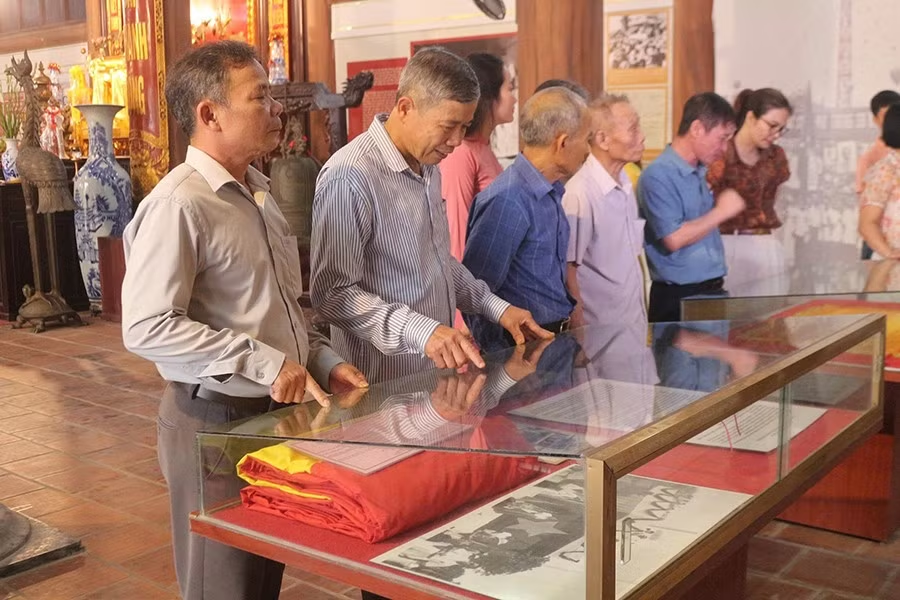
Behind the Memorial Stele House stands the Temple dedicated to President Ho Chi Minh, which was built in the traditional architectural style of Northern Vietnam. The temple is an impressive structure consisting of seven main compartments and two side wings. It features a stone entrance gate, an elaborately carved stone screen, a lotus pond, and beautifully landscaped gardens, creating a peaceful and respectful atmosphere. Inside the temple is a bronze statue of President Ho Chi Minh, together with many valuable photographs and historical documents that tell the story of his historic visit and the development of the local area over the years.
Besides preserving important historical values, the President Ho Chi Minh Historical Site – The Place Where He Spoke to Ha Nam Officials and People During the Drought Relief Campaign is also an important destination for traditional education, historical research, sightseeing, and cultural experiences. Every year, on the anniversary of President Ho Chi Minh's visit to Ha Nam (January 14), his birthday (May 19), National Day (September 2), and other major national holidays, many officials, Party members, students, and visitors from both inside and outside the province come to offer incense, pay tribute, and take part in educational activities. These events help spread the values of patriotism, solidarity, and determination to overcome difficulties.
As visitors explore Ninh Binh today, the President Ho Chi Minh Historical Site – The Place Where He Spoke to Ha Nam Officials and People During the Drought Relief Campaign is not only a place that preserves the memory of a meaningful historical event, but also a destination that helps people better understand and appreciate the lasting values left by President Ho Chi Minh. In the peaceful countryside beside the Sat River, every visit becomes a journey back to the nation's historical roots, inspiring pride in Vietnam's heritage and encouraging future generations to preserve and promote the country's valuable traditions.