Located in the peaceful countryside of Tien Ly Hamlet, Binh My Commune, Ninh Binh Province, Tien Ly Communal House is one of the typical ancient communal houses that has preserved many historical, cultural, and traditional architectural values of the Northern Delta. For centuries, the communal house has served not only as a place to worship the village guardian deities but also as the cultural and spiritual center of the local community, preserving the memories of a village rich in history and the spirit of unity.
Today, amid the pace of modern life, Tien Ly Communal House still retains its ancient and dignified appearance, making it an attractive destination for visitors who wish to explore local cultural values, learn about traditional communal house architecture, and experience the peaceful beauty of the Northern Vietnamese countryside.
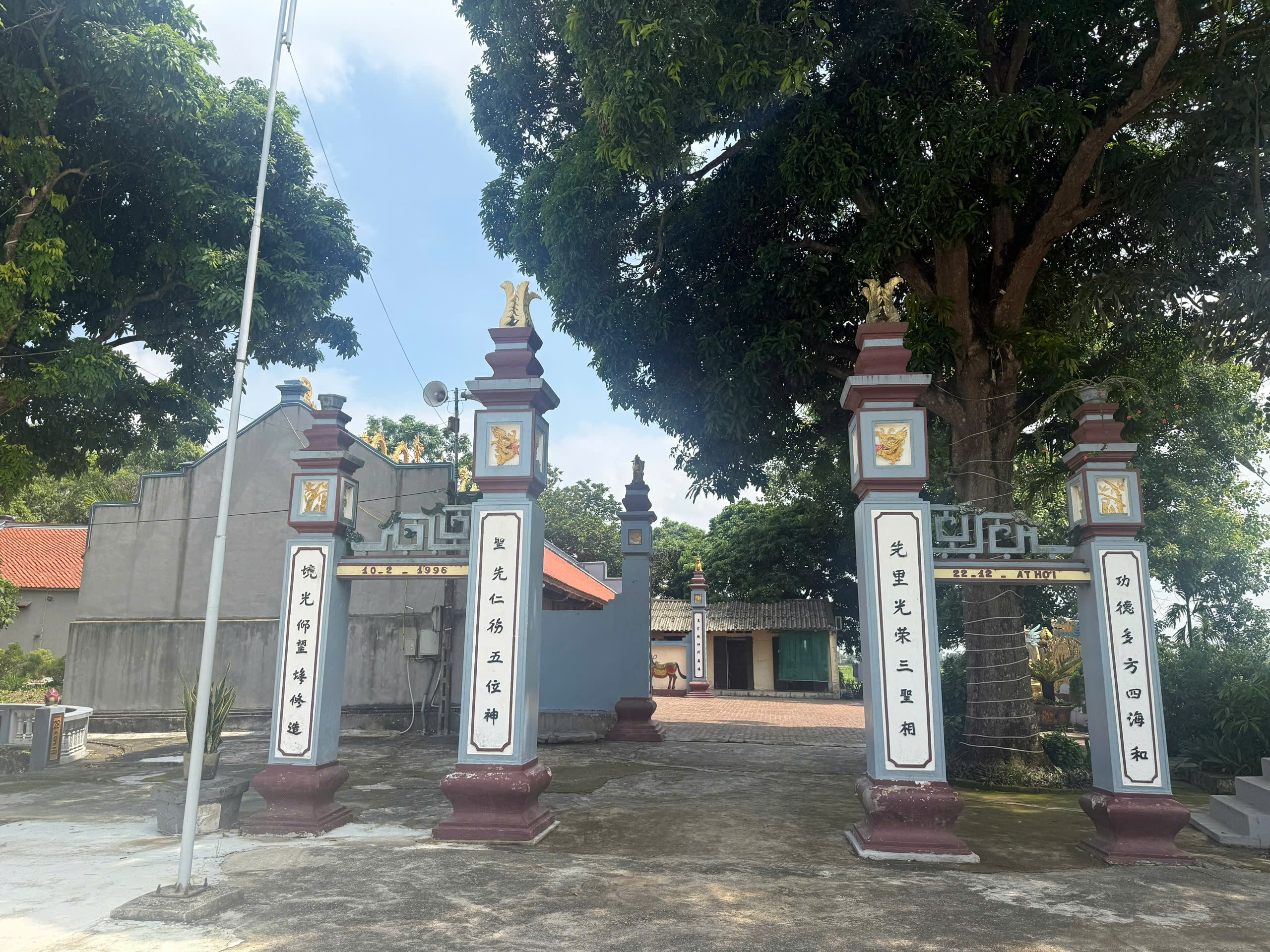
According to historical records and legends passed down through many generations, Tien Ly Communal House is dedicated to the deities who helped the Hung Kings fight against invaders, protect the country, defend its borders, and bring peace to the people. In the beliefs of the local community, the village guardian deities are not only historical figures who made great contributions to the country and its people but also benevolent deities who always protect the village, bringing favorable weather, abundant harvests, and a prosperous life.
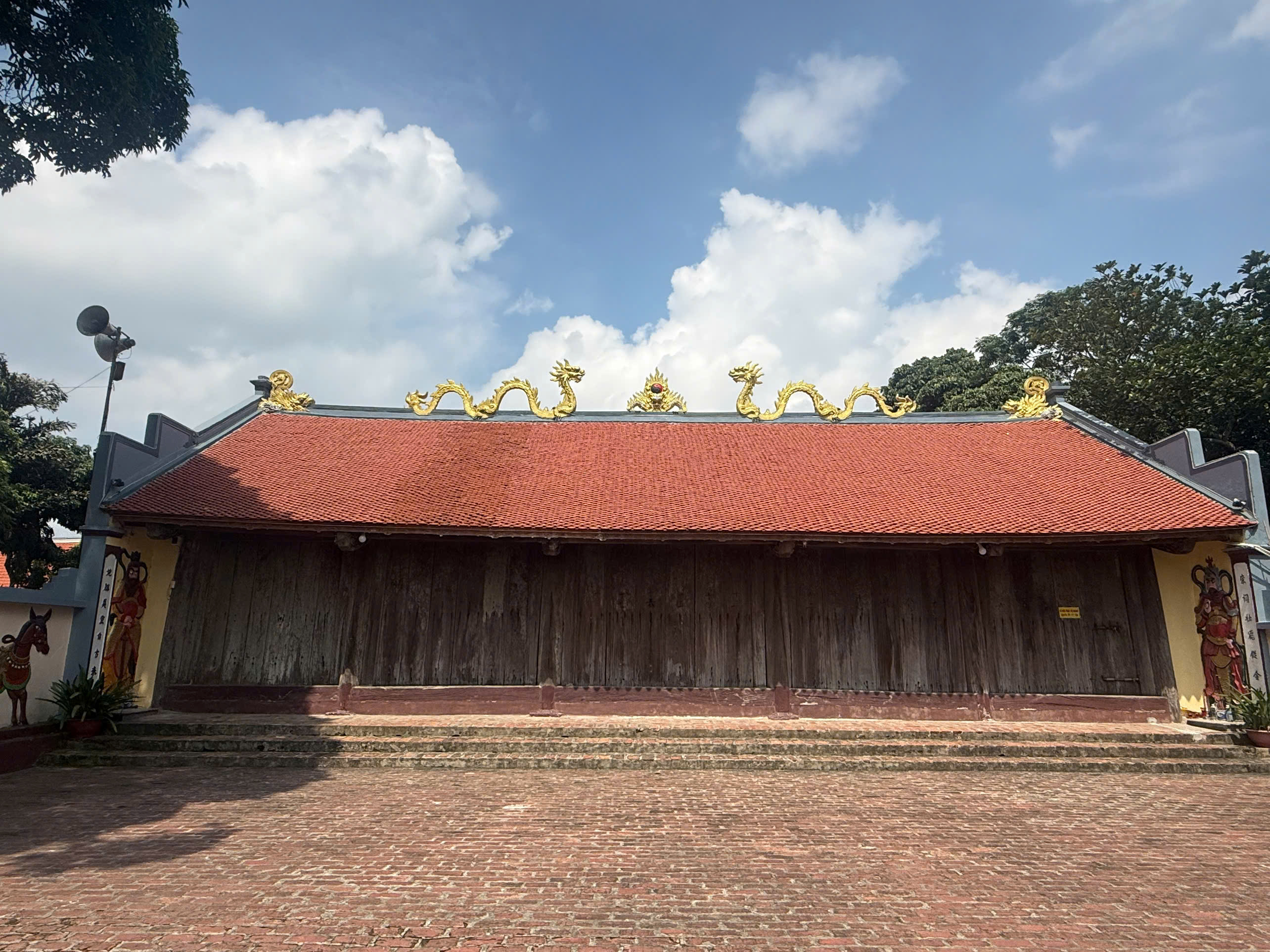
Over many generations, the legends of these deities have been carefully preserved by local people as an important part of the village's cultural memory. The combination of historical elements and folk beliefs has created the unique value of Tien Ly Communal House, reflecting the rich spiritual life of the people living in the Red River Delta since ancient times.
Besides its connection with the legends of the Hung Kings, Tien Ly Communal House also witnessed many important historical events during the revolutionary period. During the struggle for national independence, it served as a meeting place, a venue for promoting the Party's policies, gathering local people, and organizing many patriotic movements. During the resistance wars against the French colonialists and the The US forces, the communal house continued to host many political and cultural activities of the local community, contributing to the struggle for national liberation.
These layers of history have created the lasting value of Tien Ly Communal House, where every roof tile, wooden pillar, and courtyard seems to preserve stories of patriotism, community unity, and the determination to overcome difficulties passed down through generations.
Tien Ly Communal House impresses visitors with its ancient architecture, harmoniously blending with the natural landscape of the Northern Vietnamese countryside. The communal house was built on spacious, elevated land, with a clear pond in front and rows of ancient trees providing shade throughout the year, creating a peaceful and respectful atmosphere while remaining closely connected to community life.
The building follows the traditional "Dinh" (T –shaped) architectural layout and consists of two main sections: the Front Hall and the Rear Sanctuary. The overall layout is arranged symmetrically along the central spiritual axis, reflecting the harmonious relationship between people, nature, and the spiritual beliefs of an agricultural community.
The Front Hall consists of five spacious compartments supported by a massive wooden frame. The entire structure, including the columns, beams, and rafters, is connected using the traditional mortise-and-tenon technique without the use of iron nails, yet it has remained strong and durable over time, demonstrating the remarkable construction skills and craftsmanship of traditional artisans. The roof is covered with traditional clay tiles, and its gracefully curved corners create an elegant appearance while maintaining a sense of grandeur and dignity.
One of the most outstanding features of Tien Ly Communal House is its finely carved wooden decorations found on architectural elements such as beam ends, porch brackets, gilded archways, crossbeams, and roof trusses. Traditional motifs, including the Four Sacred Creatures, the Four Noble Plants, dragons, phoenixes, lotus flowers, chrysanthemums, birds, and many other decorative patterns symbolizing good fortune, are vividly and artistically carved with great detail.
In particular, the dragon carvings reflect the artistic style of the Nguyen Dynasty, with dragons gracefully winding through clouds and water, harmoniously combined with plant motifs and sacred animals to create highly valuable works of art. Among these carvings are also scenes depicting the daily work and life of agricultural communities, providing a vivid picture of the cultural life of Northern Vietnamese villages over many centuries.
The Rear Sanctuary is the most sacred space of the communal house, where the ancestral tablets of the village guardian deities are placed together with horizontal lacquered boards, parallel sentences, and ancient worship objects beautifully decorated with red lacquer and gold leaf. The harmonious combination of architecture, fine arts, and spiritual beliefs creates a solemn and ancient atmosphere that clearly reflects the traditional artistic values of the Vietnamese people.
With these outstanding values, Tien Ly Communal House is not only a place of worship but is also regarded as a small "museum of folk art," preserving the finest examples of traditional architecture and wood carving in the Northern Delta.
Besides its historical and architectural values, Tien Ly Communal House is also the center for many traditional festivals that reflect the rich cultural identity of local folk traditions.
Every year, during the second lunar month, local people hold a traditional festival to honor the village guardian deities. The ritual proceedings of the festival is carried out respectfully with traditional rituals such as offering incense and conducting worship ceremonies to express gratitude to the ancestors and pray for national peace, favorable weather, and abundant harvests.
One of the unique traditions of the festival is the custom of village twinning between Tien Ly Village and Dau Village (now part of Binh My Commune). This long-standing tradition reflects the spirit of unity, close relationships, and mutual support between neighboring communities. Despite the passage of time, this custom has been preserved as a unique cultural tradition, enriching the spiritual life of local people.
The festival atmosphere is further enlivened by cultural performances, artistic activities, and traditional folk games, creating a vibrant community gathering full of local identity. This is not only an opportunity for local people to meet and connect with one another but also a way to educate younger generations about traditional values, strengthen their love for their homeland, and raise awareness of preserving the nation's cultural heritage.
By visiting Tien Ly Communal House, visitors can not only admire the beauty of an ancient communal house with distinctive traditional architecture but also learn about the legends associated with the Hung Kings, explore local folk beliefs, and experience the peaceful atmosphere of a countryside rich in cultural identity.
Together with many well-known historical sites in the area, such as Tran Thuong Temple, Long Doi Son Pagoda, the Nam Cao Memorial House, and the Tam Nguyen Yen Do Nguyen Khuyen Memorial Site, Tien Ly Communal House enriches the cultural tourism landscape of Ninh Binh Province following the expansion of its administrative boundaries, creating meaningful journeys that allow visitors to explore the region's history, culture, and people.
Amid the rhythm of modern life, this ancient communal house continues to quietly preserve the historical, artistic, and spiritual values that have been nurtured for centuries. More than a source of pride for the people of Tien Ly, Tien Ly Communal House is a valuable cultural heritage that reflects the deep history, long-standing traditions, and enduring vitality of Ninh Binh Province - a land where the outstanding values of Vietnam's nature, culture, and people come together.